Paul Becker · 2 September 2026
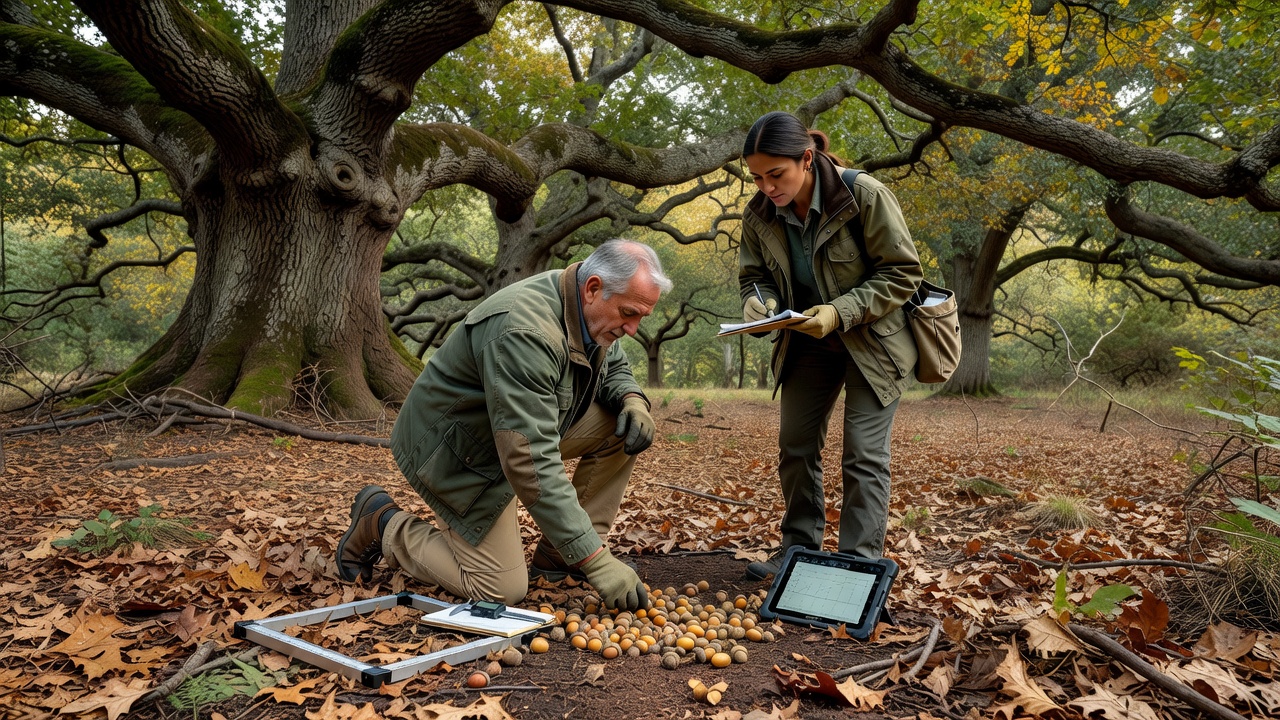
Scientists from the Regional Ecology Institute have monitored acorn production in Ivoryoak Grove for five years. Their report shows a significant decline in yields, raising concerns for conservationists and heritage groups focused on native oak preservation.
Research Methods and Data
The team used field surveys and satellite imagery to assess over 200 oak trees. Average acorn counts per tree dropped 40 percent from historical levels. Prolonged droughts and rising insect activity are main factors. Soil moisture has declined steadily, disrupting nut development. Older trees show more resilience than younger ones. Climate records over two decades link temperature increases to lower fertility. Models forecast further drops without intervention.
Variations appear across grove sections. Supplemental data from local volunteers strengthened the analysis. These findings emphasize tracking environmental stressors on oak populations.
Implications for Heritage and Wildlife
Lower acorn yields affect biodiversity in Ivoryoak Grove. Species like squirrels, deer and birds depend on acorns for autumn and winter food. Population shifts and resource competition may result. The grove supports traditional practices and education programs on native flora, so heritage efforts face challenges. Communities seek involvement in monitoring and restoration. Experts suggest continued observation plus measures like targeted watering in dry periods. Adaptive strategies are essential to sustain the area's natural heritage amid changing conditions.